
Fed signals interest rate hike could come soon as inflation rages
Fed signals interest rate hike could come soon as inflation rages
- By Admin --
- Thursday, 27 Jan, 2022
The Fed already began slowing its bond purchases last year and is on track to conclude the program in early March, allowing policymakers to begin hiking interest rates and reducing a $9 trillion balance sheet. It is unclear when the central bank will begin shrinking its bond holdings, although officials said in the statement that they would start "in a predictable manner" primarily by adjusting how much they will reinvest as their bond holdings expire.
"The committee is prepared to adjust any of the details of its approach to reducing the size of the balance sheet in light of economic and financial developments," the Fed said in a separate statement outlining "principles for reducing the size of the balance sheet."
For months, the Fed has been wrestling with its dual mandate of stable prices and full employment. But the nation's jobless rate plunged to 3.9% in December, down from a pandemic high of 14.7%, while consumer prices surged 7.1% from a year ago, marking the fastest pace for inflation since 1982 as consumer demand confronts a shortage of goods caused by congested ports and other pandemic-induced disruptions in the supply chain.
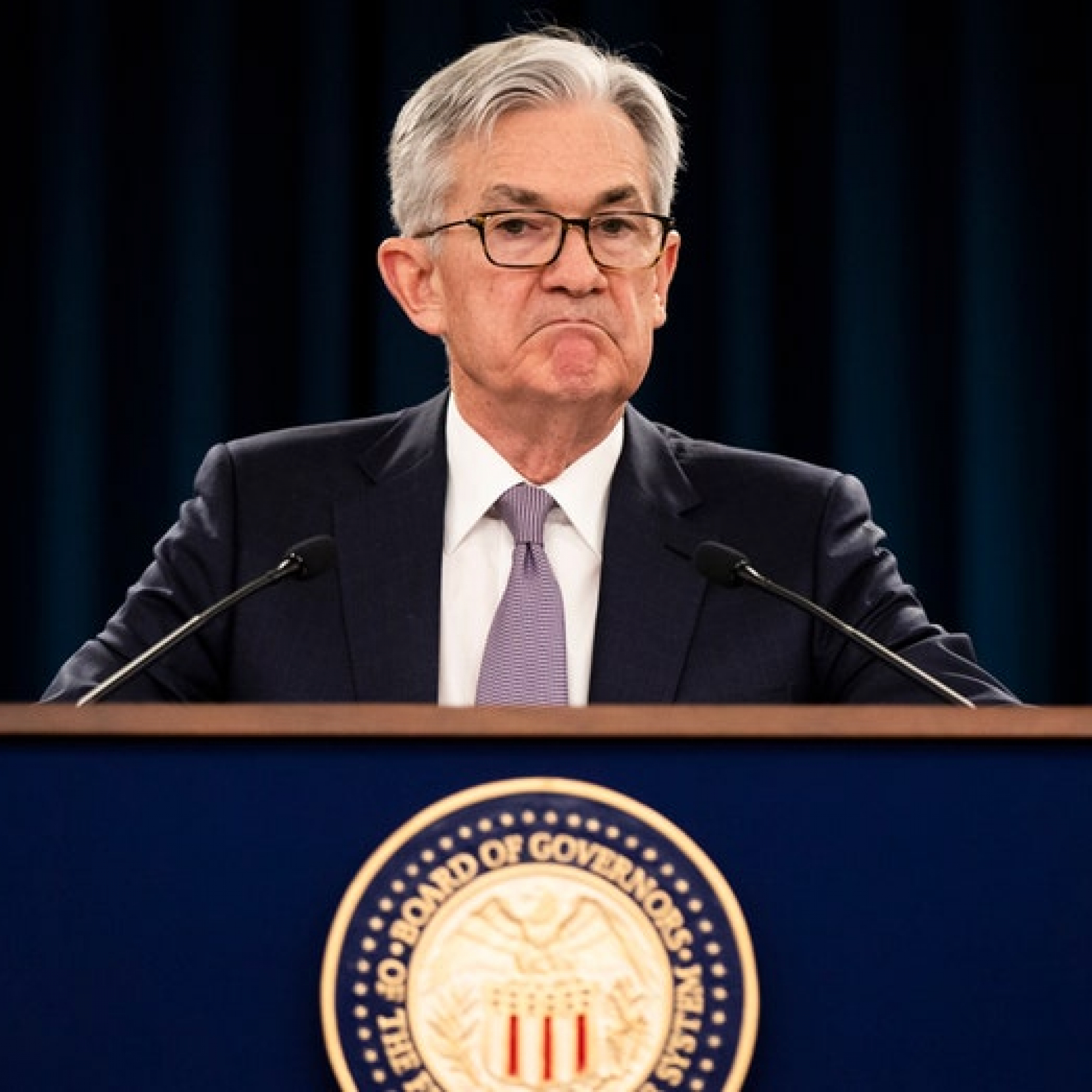
"I would say, and this view is widely held on the committee, both sides of the mandate are calling for us to move steadily away from the very highly accommodative policies we put in place during the challenging conditions that the economy faced earlier in the pandemic," Chairman Jerome Powell told reporters during a post-meeting press conference. "Most FOMC participants agree that labor market conditions are consistent with maximum employment."
Most economists expect the Fed to raise rates four times this year. Traders are already pricing in a more than 90% chance of a rate increase during the Fed's mid-March meeting, and a roughly 65% chance of four hikes over the course of the year, according to the CME Group, which tracks trading.
Some economists believe the Fed waited too long to confront the burst in inflation, while others have expressed concerns that moving too quickly to stabilize prices risks slowing hiring and potentially leaving many workers, particularly lower-income Americans, without a job. Hiking interest rates tends to create higher rates on consumers and business loans, which slows the economy by forcing employers to cut back on spending.
Powell said that it's difficult to determine what pace of rate increases is needed to cool inflation without strangling the economy but said it's important to be "humble and nimble."
"We’re going to be led by the incoming data and the evolving outlook," he said.
Most economists expect the Fed to raise rates four times this year. Traders are already pricing in a more than 90% chance of a rate increase during the Fed's mid-March meeting, and a roughly 65% chance of four hikes over the course of the year, according to the CME Group, which tracks trading.
Some economists believe the Fed waited too long to confront the burst in inflation, while others have expressed concerns that moving too quickly to stabilize prices risks slowing hiring and potentially leaving many workers, particularly lower-income Americans, without a job. Hiking interest rates tends to create higher rates on consumers and business loans, which slows the economy by forcing employers to cut back on spending.
Powell said that it's difficult to determine what pace of rate increases is needed to cool inflation without strangling the economy but said it's important to be "humble and nimble."
"We’re going to be led by the incoming data and the evolving outlook," he said.
Related News


