
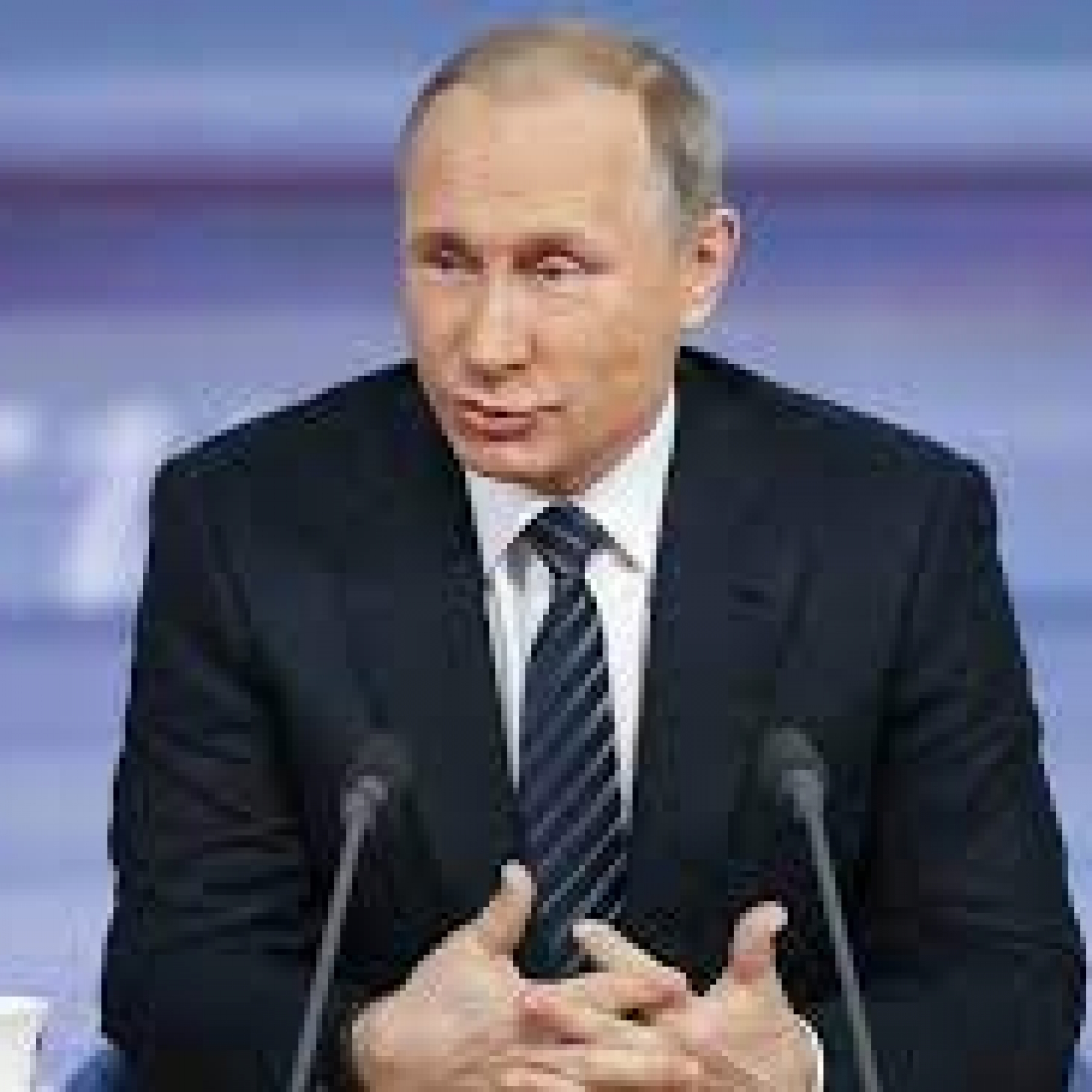
European Unions next step could include blanket ban on visas for all Russians
European Unions next step could include blanket ban on visas for all Russians
- By Admin --
- Saturday, 13 Aug, 2022
A blanket ban on visas for all Russian travellers could be European Union's next sanction on Moscow as the Ukraine war rages on. The Czech Republic said on Friday (August 12) that the idea will be proposed to the bloc at an informal meeting of EU foreign ministers in Prague at the end of August.
Czech Foreign Minister Jan Lipavsky said in a statement obtained by the news agency AFP, "The flat halting of Russian visas by all EU member states could be another very effective sanction."
Lipavsky added, "In a time of Russian aggression, which the Kremlin keeps on escalating, there cannot be talks about common tourism for Russian citizens."
The foreign minister further said that the move would send "a very clear and straightforward signal to the Russian society" and it will show that "the Western world does not tolerate the Russian regime's aggression and hateful rhetoric aimed at free, democratic countries that pose no threat to Russia."
This comes after Ukrainian President Volodymyr Zelensky asked the West to ban all Russian travellers during an interview with the Washington Post this week. Zelensky said that Russians should "live in their own world until they change their philosophy".
Russian President Vladimir Putin on February 24, 2022, announced the invasion of Ukraine what he calls a "special military operation".
Moscow said that it aims to "demilitarise" and "de-nazify" its neighbouring country and protect Russian speakers in the country.
In the aftermath of the invasion, multiple sanctions were imposed on Russia by the United States and several other Western countries.
A day after the invasion, i.e. February 25, The Czech Republic, which holds the rotating EU presidency, stopped issuing visas for ordinary Russians.
But Russian tourists are still flowing into Europe through Finland. And once they enter the visa-free Schengen zone, they can travel across most of Europe.
Related News


.jpg)

