Australia declares La Nina weather event has begun
Australia declares La Nina weather event has begun
- By Admin --
- Tuesday, 23 Nov, 2021
Australia has said a La Nina event has developed for a second consecutive year, meaning there is a greater risk locally of floods and cyclones.
Last time the weather phenomenon contributed to "once in a century" rains battering parts of Australia.
But La Nina can lead to significant weather changes in different parts of the world.
The World Meteorological Organization (WMO) is yet to declare a La Nina but has warned one may re-emerge.
This year's event could be weaker, according to Australia's Bureau of Meteorology (Bom).
"Climate models suggest this La Nina will be short-lived, persisting until the late southern hemisphere summer or early autumn 2022," it said on Tuesday.
La Nina is described as one of the three phases of the weather occurrence known as the El Niño-Southern Oscillation (ENSO). This includes the warm phase called El Niño, the cooler La Nina and a neutral phase.
A La Nina develops when strong winds blow the warm surface waters of the Pacific away from South America and towards Indonesia. In their place, colder waters come up to the surface.
In Australia, La Nina increases the chance of cooler daytime temperatures - reducing the risk of heatwaves and bushfires.
But it tends to create wetter than normal conditions and can increase the frequency of tropical cyclones.
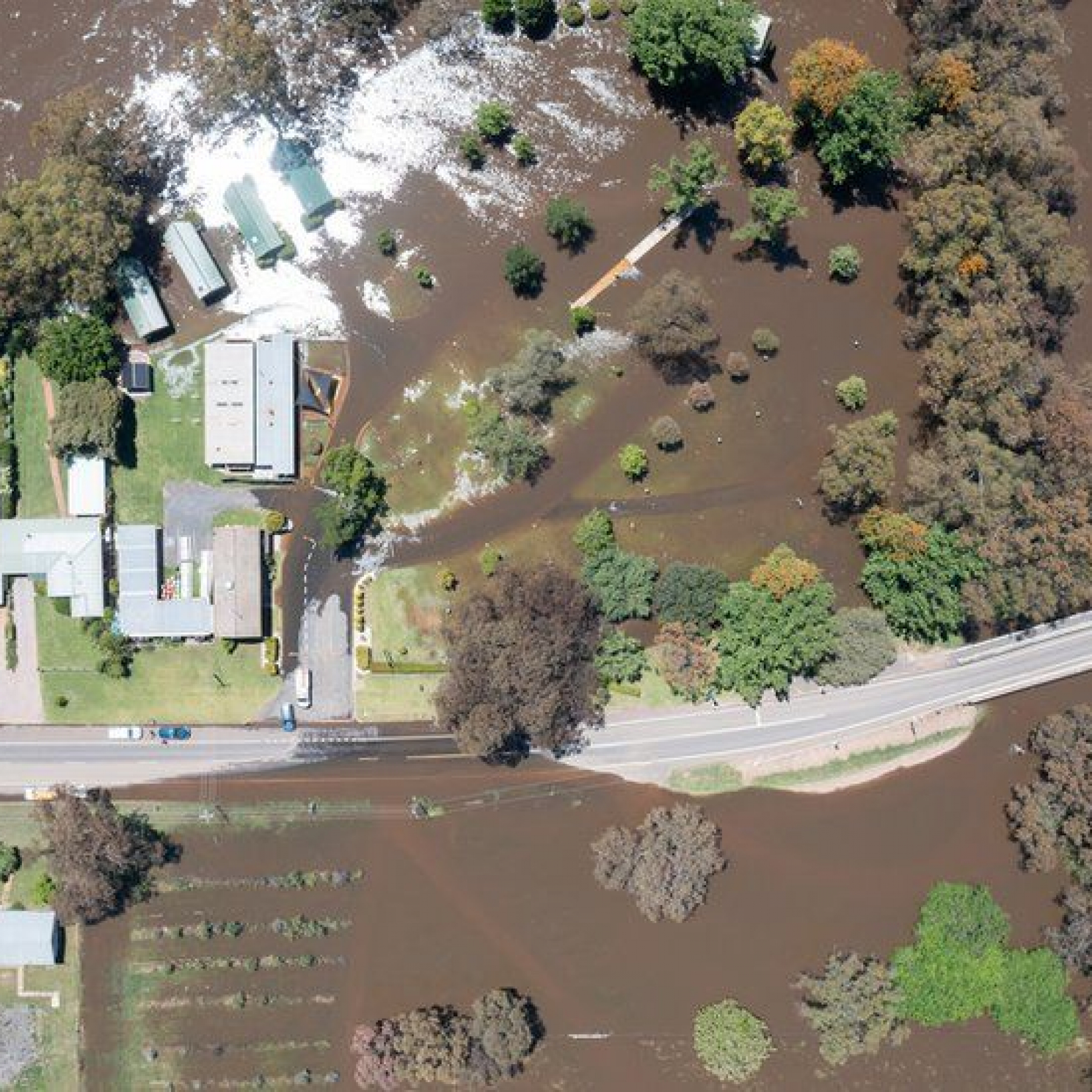
Queensland has been warned of heavy rainfall and possible flash flooding this week. Last week, floods prompted evacuation warnings in Forbes, New South Wales.
Recent torrential rain in South Australia also led to the stranding of a young family in the outback.
During the last La Nina, thousands of Australians were displaced amid flooding which caused over A$1bn (£540,000m; $720,000m) in damage.
La Nina can increase the risk of storms in Canada and the northern US, often leading to snowy conditions.
In the UK and Northern Europe, a very strong La Nina event may also lead to a very wet winter.
The WMO has said naturally occurring climate events like La Nina "now take place in the context of human-induced climate change", which is "increasing global temperatures, exacerbating extreme weather and impacting seasonal rainfall patterns."
The US National Oceanic and Atmospheric Administration has already warned that a La Nina will extend through the northern hemisphere winter into early spring.
Related News